
Bridal Florals Inspired By Heritage

Meaningful Ways to Integrate Cultural Elements
Weddings are a beautiful celebration of love, but they also serve as a unique opportunity for couples to showcase their individual heritages and cultures. One of the most expressive ways to do this is through bridal florals. Flowers can convey deep meanings and traditions, and by incorporating elements from their backgrounds, couples can create arrangements that are not only stunning but also deeply personal. Here are a few of many inspiring ways to integrate cultural heritage into bridal florals.
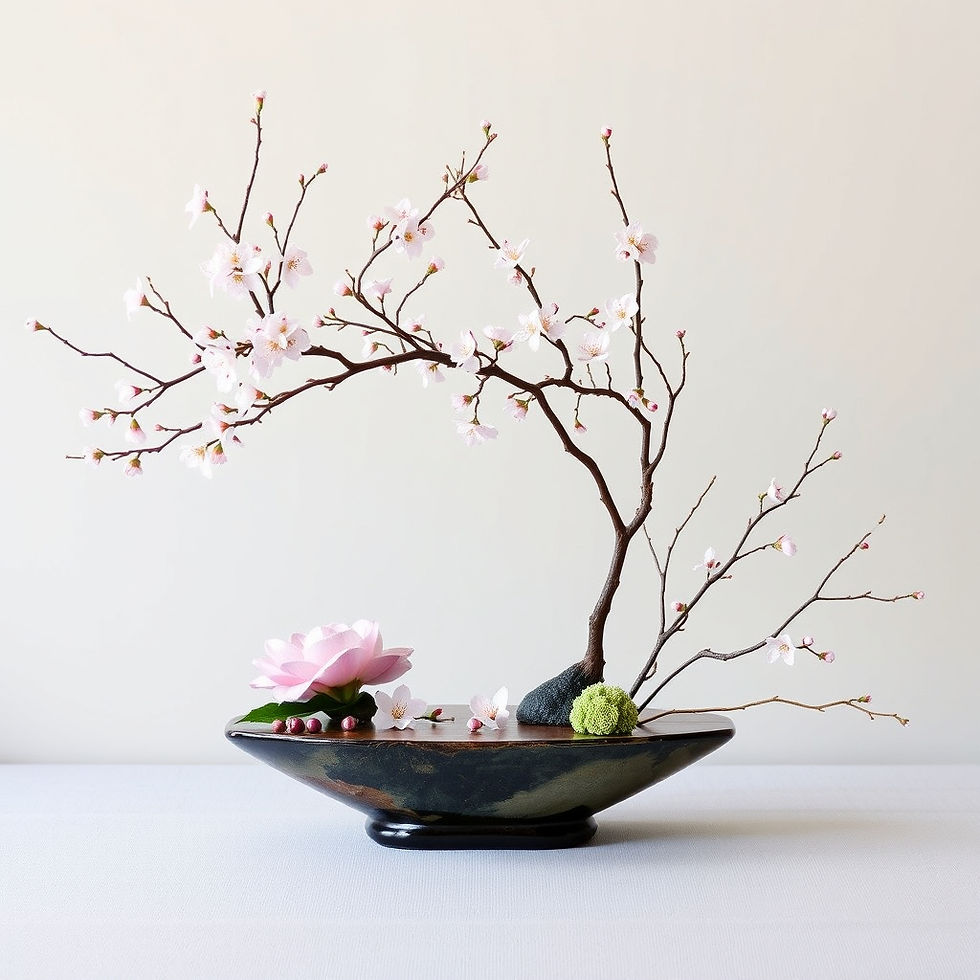
Japanese Heritage: The Art of Ikebana
For couples with Japanese roots, incorporating Ikebana can add a sophisticated and artistic touch to their bridal florals. Ikebana, the traditional Japanese art of flower arrangement, emphasizes simplicity, balance, and harmony.
Minimalism: Focus on fewer blooms and incorporate various textures and shapes to create a serene aesthetic.
Symbolism: Use flowers that hold significance in Japanese culture, such as cherry blossoms (sakura) for their beauty and transience or chrysanthemums for their symbolism of longevity.
Natural Elements: Incorporate branches, leaves, and stones to reflect the beauty of nature, which is a core principle of Ikebana.
By utilizing these elements, couples can create an elegant and meaningful display that pays homage to their heritage.
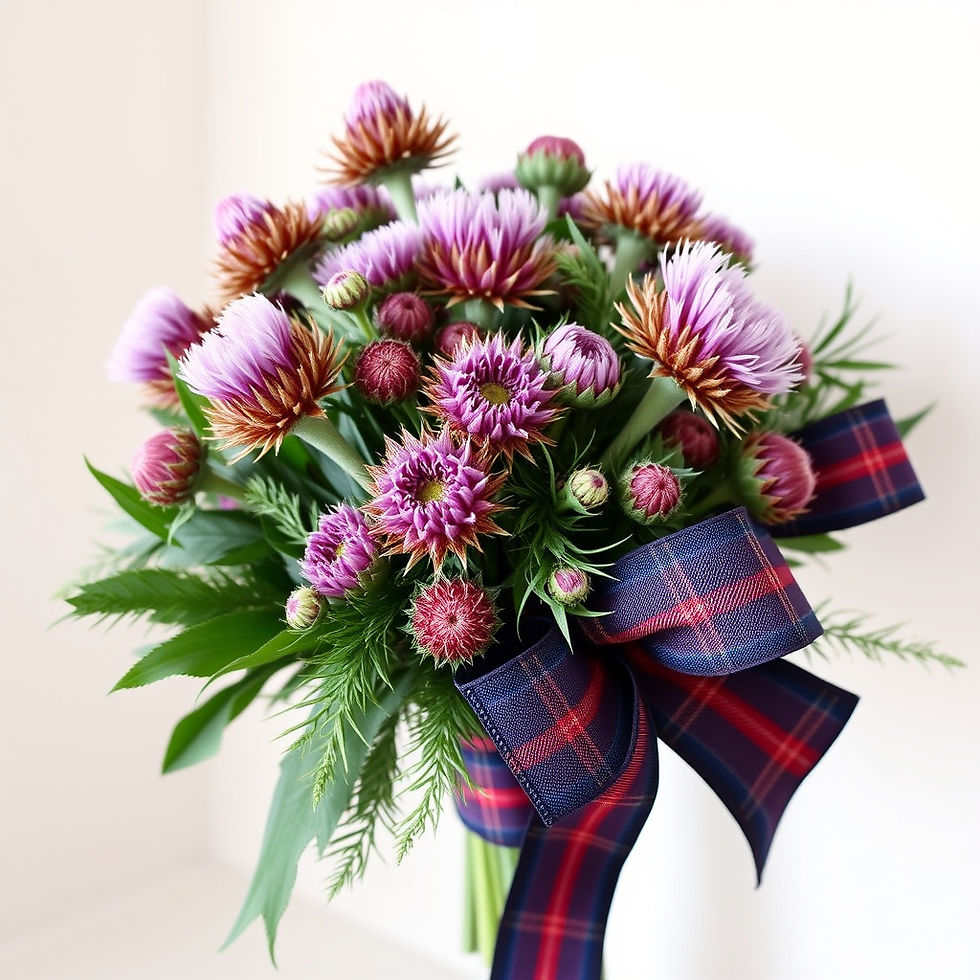
Scottish Heritage: Tartan and Thistles
For those with Scottish lineage, incorporating plaid ribbons and thistles can bring a touch of tradition to the bridal bouquet.
Plaid Ribbons: Use tartan fabric as ribbons to tie bouquets or wrap stems, adding a pop of colour and a nod to Scottish heritage.
Thistles: These hardy flowers are a symbol of Scotland and can be included in floral arrangements for a rustic and authentic feel.
Heathers: Incorporate heather, which is also native to Scotland, representing admiration and protection.
These elements not only enhance the floral arrangements but also create a connection to Scottish traditions.
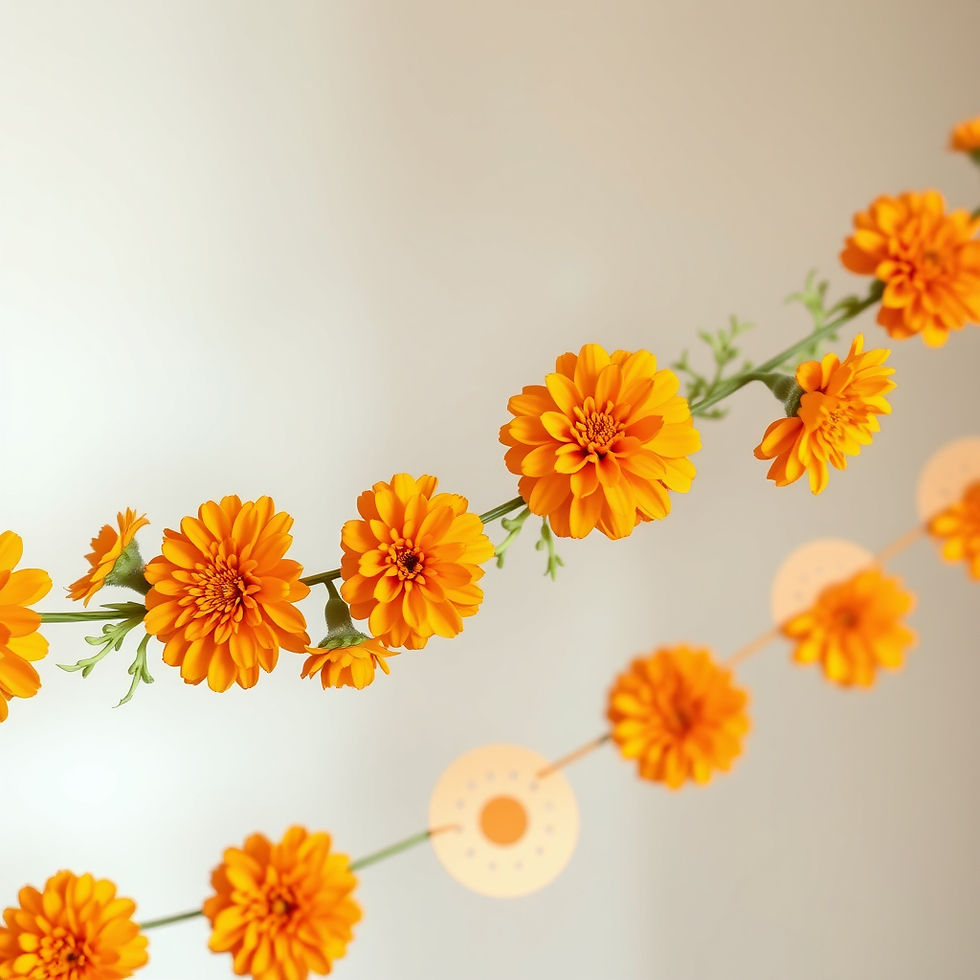
Mexican Heritage: Vivid Colour
For couples celebrating Mexican heritage, vibrant colors and traditional flowers can create a lively and festive atmosphere.
Marigolds (Cempasuchil): Often symbolize the beauty and fragility of life.
Colourful Bouquets: Embrace bold hues like orange, pink, and yellow to reflect the vibrancy of Mexican culture.
Personal Touches: Include elements such as papel picado (perforated paper) as decorative accents among florals. This can evoke a sense of joy and celebration.
Indian Heritage: Rich Textures and Symbolic Flowers
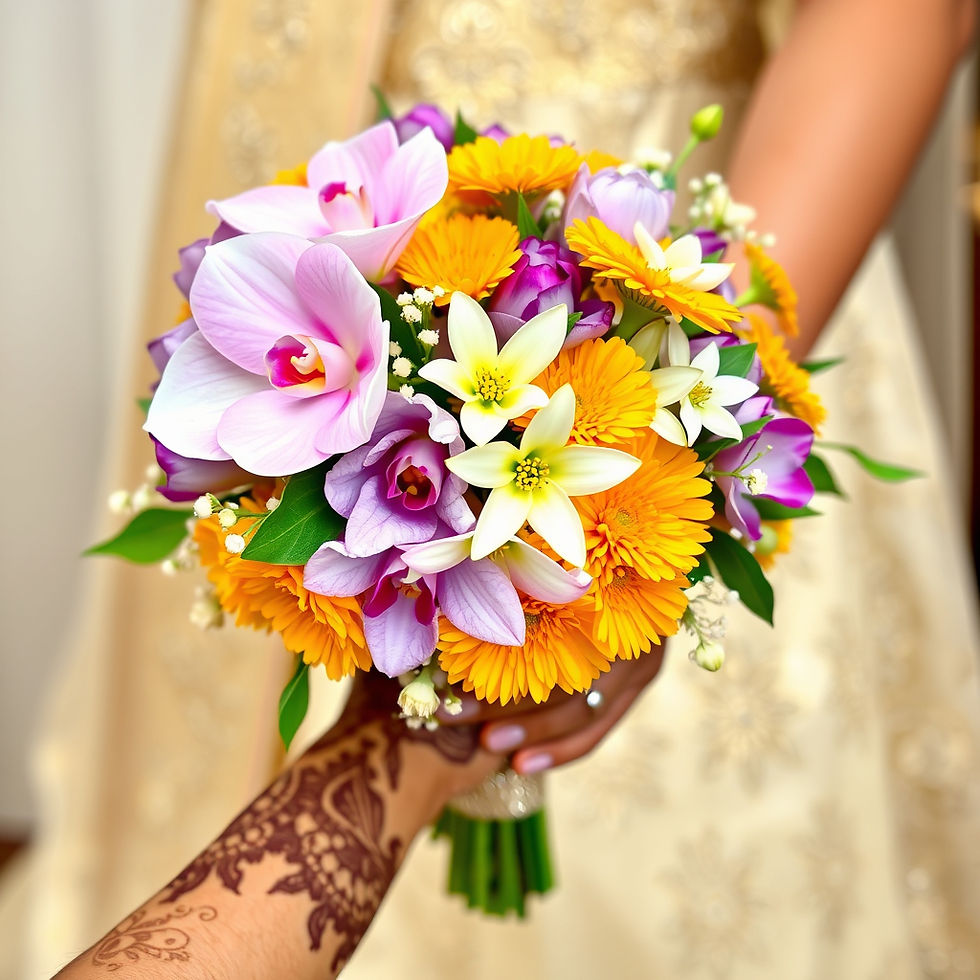
For couples with Indian heritage, bridal florals can be an extravagant display of colour and texture.
Jasmine, Marigolds, and Calendula: Jasmine is often associated with love and purity, while marigolds are used in various ceremonies for their auspiciousness. Calendulas symbolize warmth, joy, and resilience.
Rich Fabrics: Incorporate fabrics like silk or brocade into the floral arrangements, perhaps as a backdrop or in the wrapping of bouquets.
Intricate Designs: Use detailed floral designs that reflect traditional Indian artistry, such as paisley patterns or mandalas.
These elements can create a stunning visual impact that honours cultural traditions.
Conclusion
Integrating cultural heritage into bridal florals allows couples to express their identities and honour their backgrounds on one of the most significant days of their lives. Whether through the elegance of Ikebana, the rustic charm of Scottish thistles, the vibrant colors of Mexican marigolds, or the rich textures of Indian blooms, these floral arrangements can tell a beautiful story. By thoughtfully incorporating these elements, couples can create a wedding that is not only visually stunning but also deeply meaningful.


Comments